

Friday 26th July 2024
My early years unfolded across the picturesque landscapes of rural Kent, Sussex, and Buckinghamshire. Our family relocated every two years, a rhythm dictated by my father's profession, making it challenging to establish deep roots or long-lasting connections. It wasn’t until I journeyed to Guatemala that I finally found a place I could truly call home.
When I speak of “home,” I understand it may resonate differently for others. For me, perpetually moving every couple of years made “home” a transient concept, more associated with people and experiences than a physical location.
Upon settling in Guatemala, I continued my nomadic lifestyle, albeit with a sense of greater purpose. The first significant landmark was acquiring our initial Mentoring Centre. I lived there, pouring my heart and energy into its renovation and operation for several enriching years. Next came another vacant building destined to become a haven—a Protection Home and a second Mentoring Centre. As the tireless efforts of builders gradually transformed it, I found myself shifting from one room to another, embracing the dust and noise as symbols of steady progress.
Throughout these transitions, close friends emerged as blessings, helping me secure a deposit for an apartment in the city—an oasis of tranquillity after all those nomadic years. I now find myself settled and enjoying a place I can truly call home.
I am acutely aware that “home” remains an elusive, transient concept for the many families we work with in Guatemala. For them, home may be a modest tin shack or even the cold, hard steps of a shop entrance—a harsh reality I encountered just this week. One family, in particular, struck a deep chord with me. They were embarking on a perilous journey toward the United States, fleeing the desperate circumstances of Venezuela. Their faces etched with determination and fear, they navigated the arduous path through Central America, clutching onto the fragile hope of the American dream.
The image of their young son, barely five years old, burrowing under a flimsy sheet of cardboard with his parents to settle in for the night is etched in my memory. Their plight is not unique but represents a growing multitude who now find themselves residing in Guatemala City’s central zone, Zone One.
As I observed this family and countless others, an unsettling question haunted me: surely there must be a more humane way to live? How can we, with the abundance of resources and kindness that God has bestowed upon us, allow these conditions to persist? In moments like these, my heart aches with a mixture of sorrow and righteous indignation. It is a poignant reminder that we must try and do more.
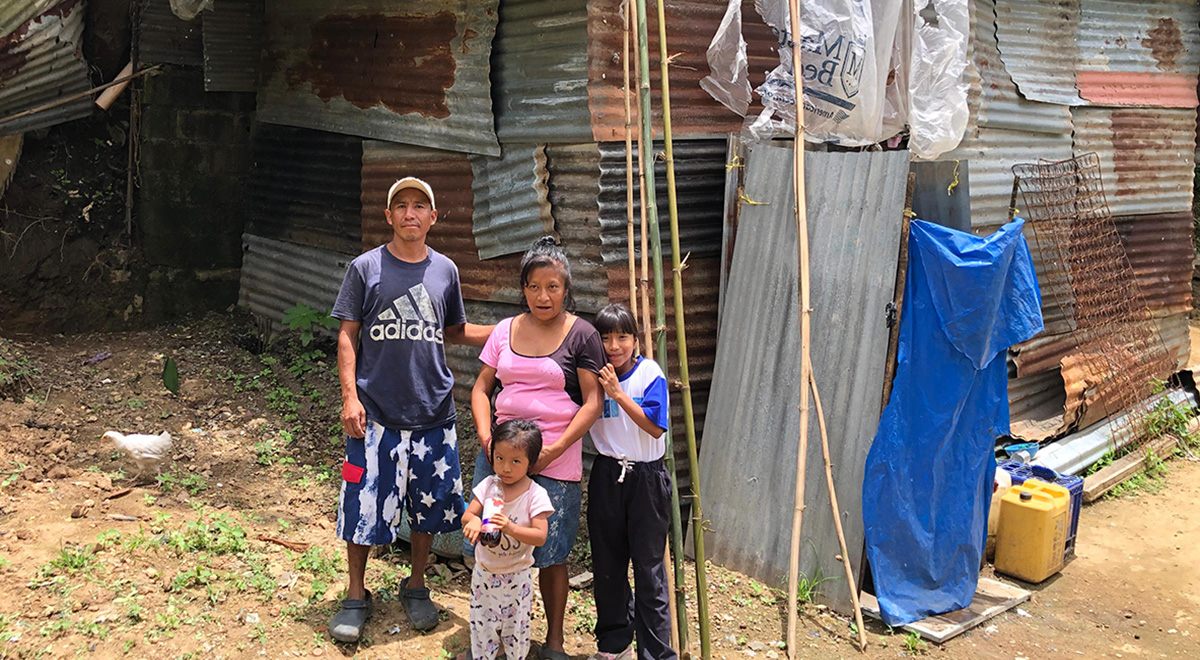
In that moment of reflection, my thoughts drifted to a family I have known and worked with for many years—a family that includes a young boy I had the privilege of mentoring for about five years. This week, our team visited them after I had been trying tirelessly to track down their whereabouts. They had lost the modest house they were renting, unable to keep up with the payments. The photos from that visit told a heartbreaking story.
This family bears the visible and invisible scars of a lifetime of trauma. Their existence is one of constant struggle, loss, and pain. They have endured suffering, hunger, and poverty that have left them broken and disheartened. And yet, amid this turmoil, there have been occasional glimpses of joy—moments shared with us that brought smiles to their faces and temporary respite during their stays at our Protection Home.
The juxtaposition of their harsh reality with these fleeting moments of happiness calls to mind the profound human capacity for resilience and hope. It challenges me to question what more we can do and how we can be instruments of God’s boundless love and compassion and extend our hands further, offering more enduring support.
The mother shared with us that a family member had offered them a plot of land on which to build their home. However, this so-called offer felt like a cruel irony. The land, already deemed uninhabitable, precariously hangs above a contaminated river, its foul stench making the environment almost unbearable.
The family has asked for our help, and we are determined to do what we can. Our immediate goal is to buy some sheets of tin and lengths of wood to sure up what they already have and improve their little kitchen and dining room (photo left). While it may only serve as a temporary solution until a better alternative presents itself, it will provide them with some semblance of stability. Despite its shortcomings and challenges, it is a place they can call “home”.
If you feel moved to assist in any way, we welcome your generosity. Please follow the link below to make a donation. I assure you that every contribution will go to helping this family, providing them with the essential materials they need to build a safer and more dignified living space.
Tonight, I lie in the comfort of my own bed, and sleep will not come easily. My thoughts will be drawn back to that family and the poignant image of the young boy crawling under a flimsy sheet of cardboard. This stark contrast between their lives and mine is a powerful reminder, constantly putting my daily concerns into perspective. It reinforces my deep sense of gratitude for all that I have—shelter, safety, and the simple luxuries that I can easily take for granted.
I am also profoundly grateful to you—for taking the time to read this, for caring, and for being willing to extend a hand of compassion and support. Your willingness to help makes a world of difference for these families and countless others who find themselves in similar situations.
 Duncan Dyason is the founder and Director of Street Kids Direct and founder of Toybox Charity. He first started working with street children in 1992 when he moved to Guatemala City and founded The Toybox Charity. His work has been honoured by Her Majesty the Queen and he was awarded an MBE the year he celebrated working over 25 years to reduce the large population of children on the streets from 5,000 to zero. Duncan continues to live and work in Guatemala City.